HEAT
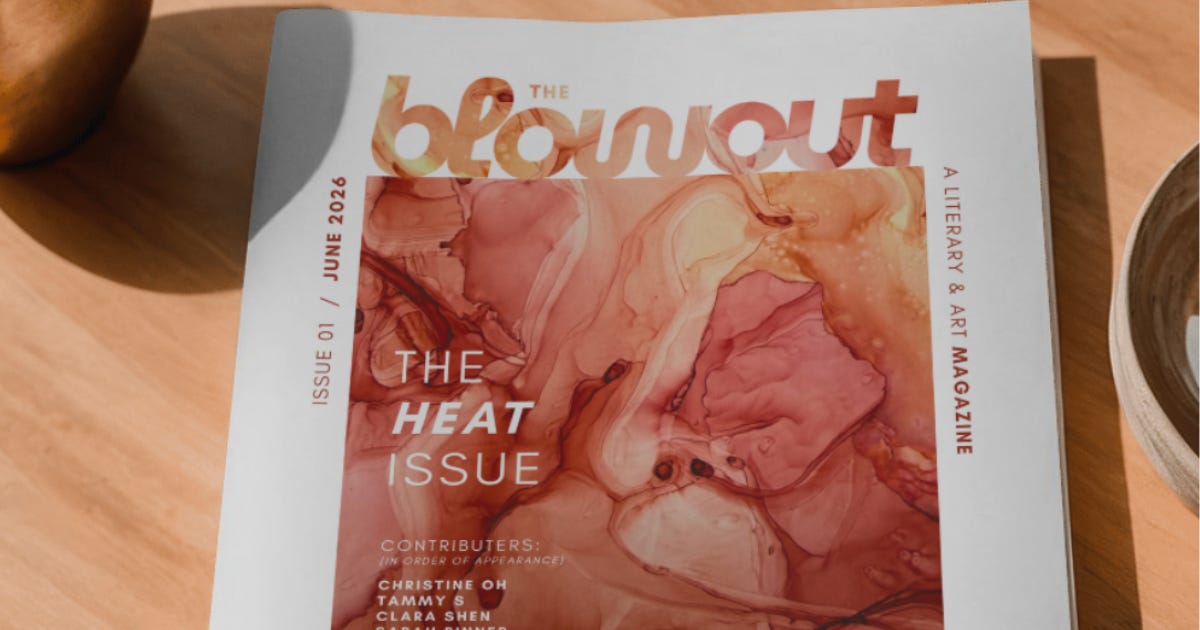
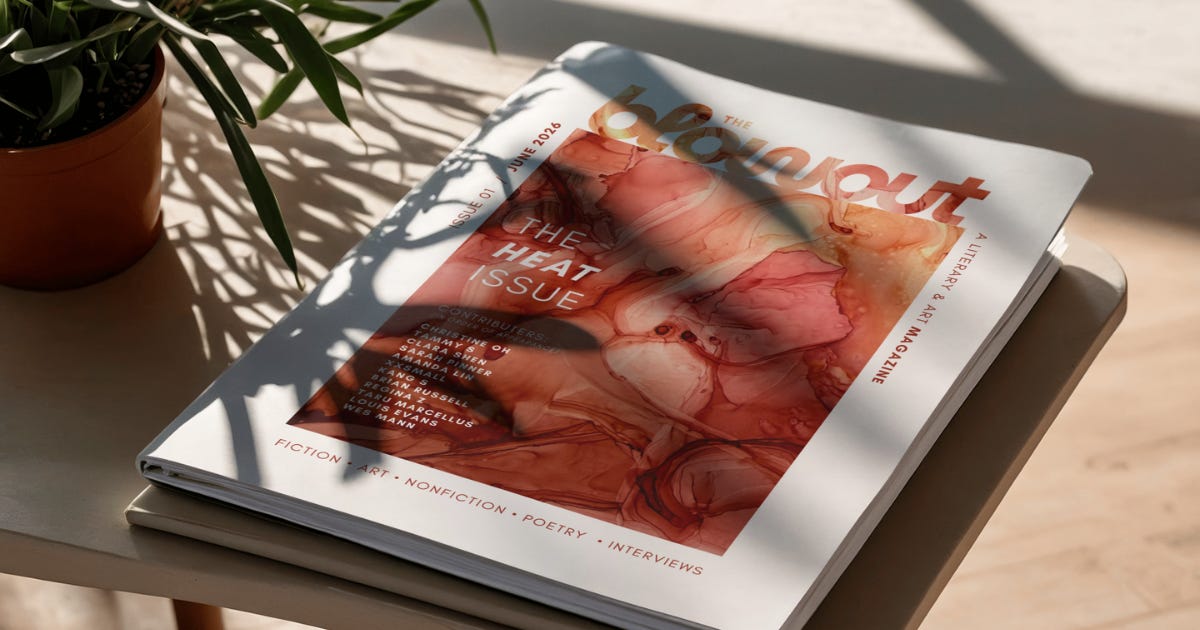
The Blowout • Issue 01

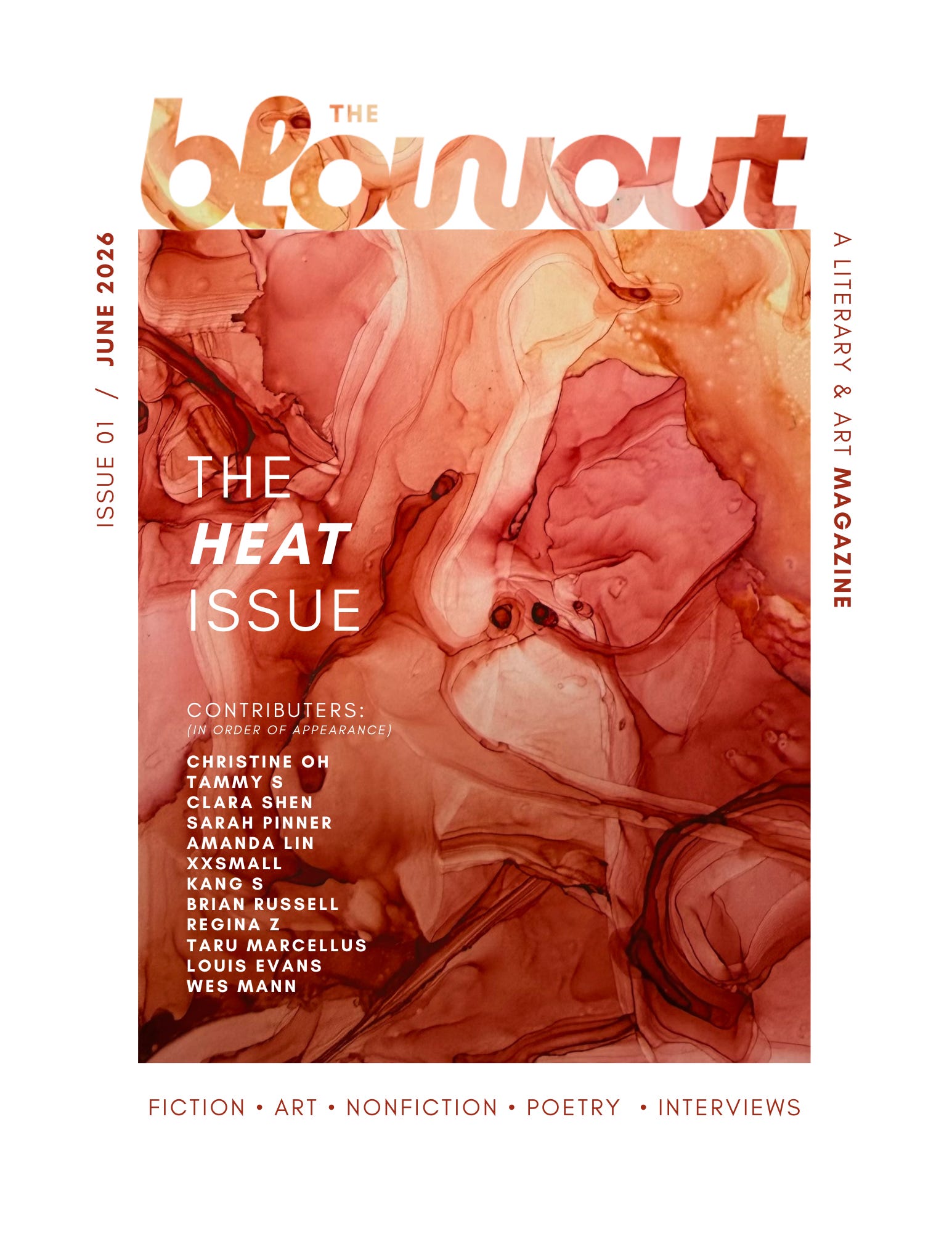
Welcome to The Blowout
A NOTE FROM THE EDITOR
Fire. Spice. Sweaty bedding in a stagnant room. Pressure and release.
From the unrelenting rays of summer and managing pain to sexual awakenings and the mythology of ancient warriors, this issue circles the meaning of heat from all angles.
In “Heat,” the debut issue of The Blowout, our contributors took this magazine’s inspiration to heart. We started as a reason for passionate, creative people to exchange art and ideas, to show up looking their best, with their authentic self, their authentic voice, as if they went to a party at a friend’s apartment filled with people they respect.
We designed this issue to be read from beginning to end, just like flipping through a print magazine, but since it’s digital, you’ll be scrolling. If you received this via email, we recommend opening it in your browser, as many email clients will truncate it. If you’re in your browser on desktop, there should be a handy floating table of contents on your left. On mobile? We hope you scroll until the end.
Each piece is best enjoyed at a simmer, so pull up a seat and stay a while.
Art is on the walls. Writers have the floor.
— Wes Mann
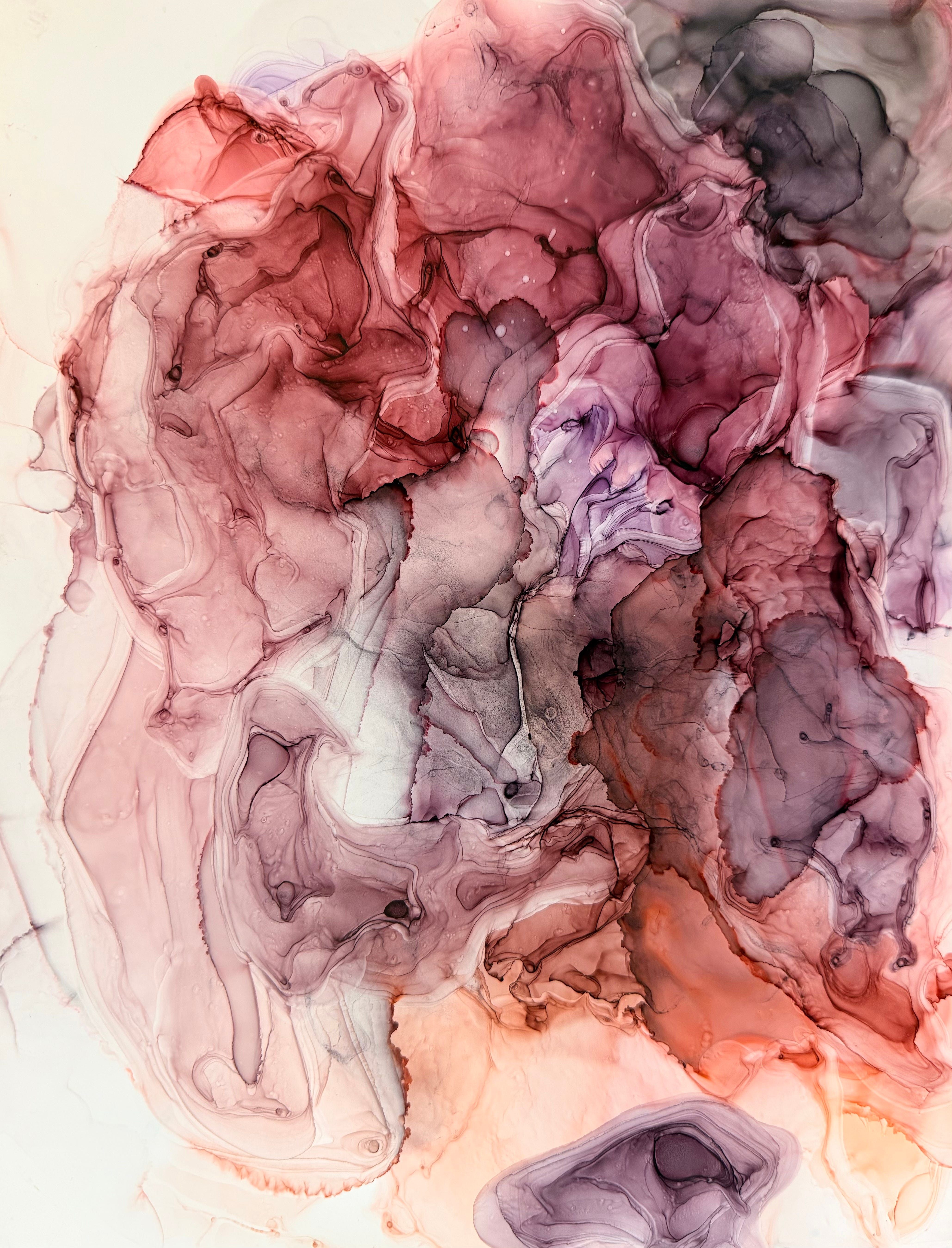
PAINTING SERIES
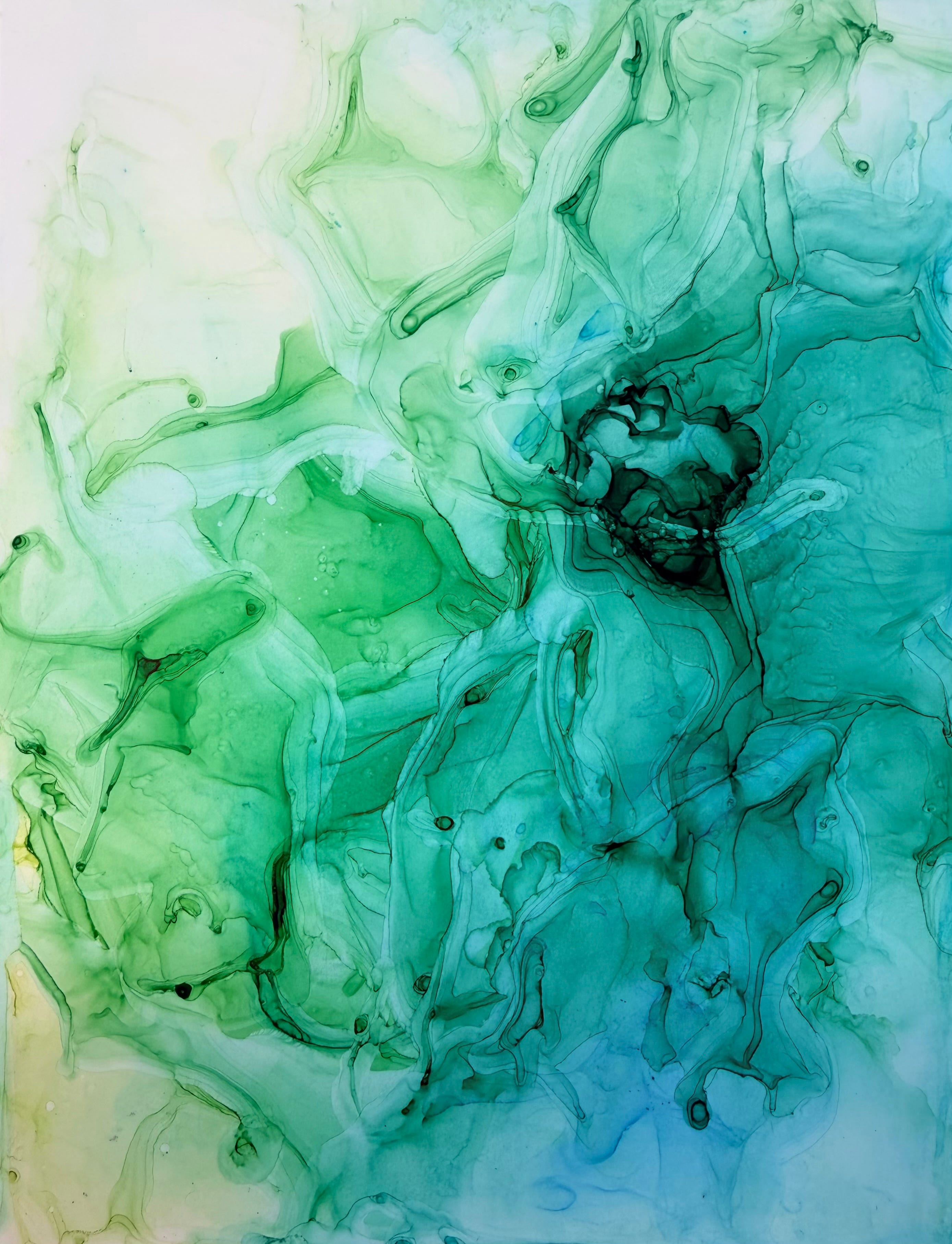
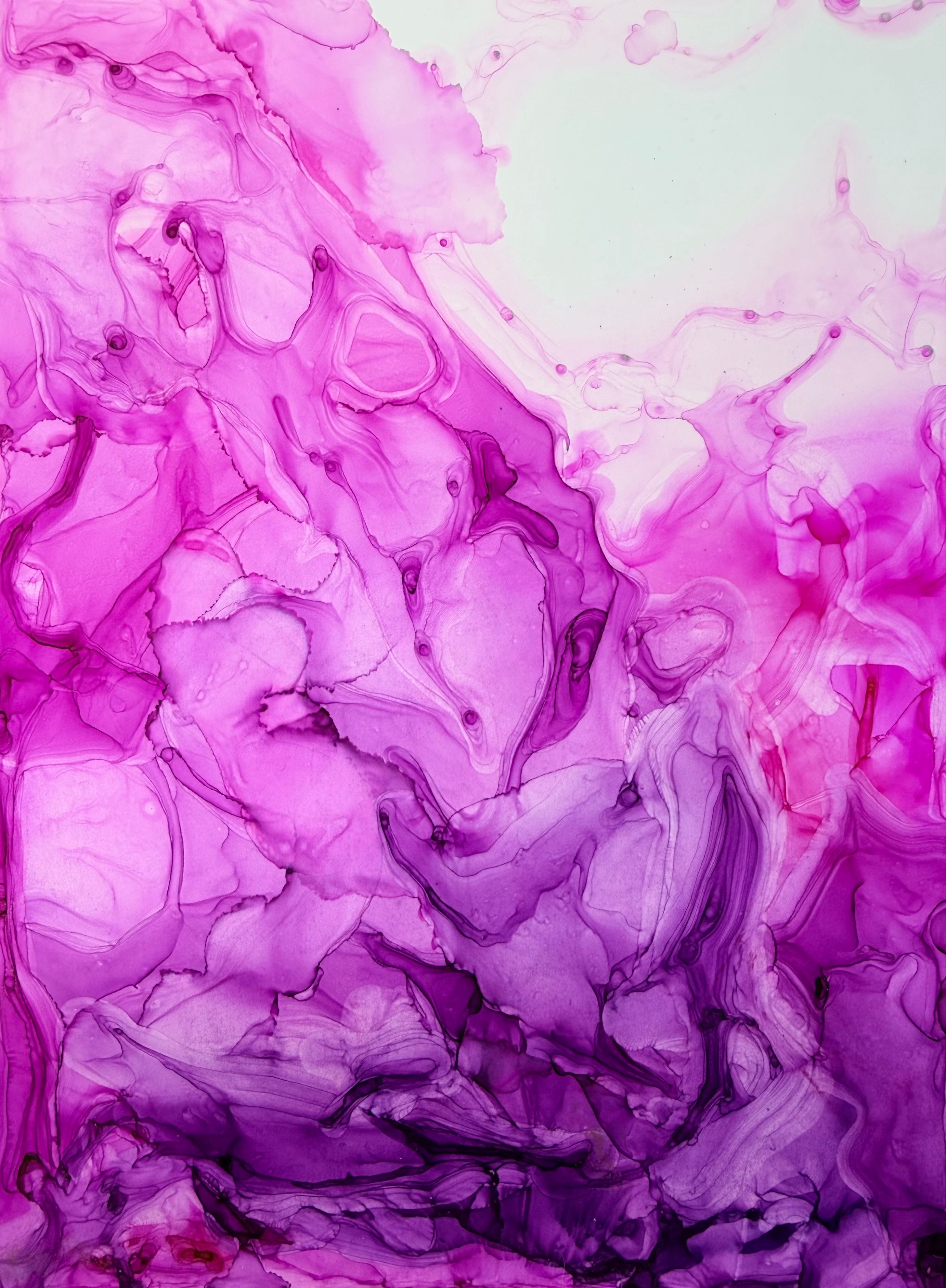
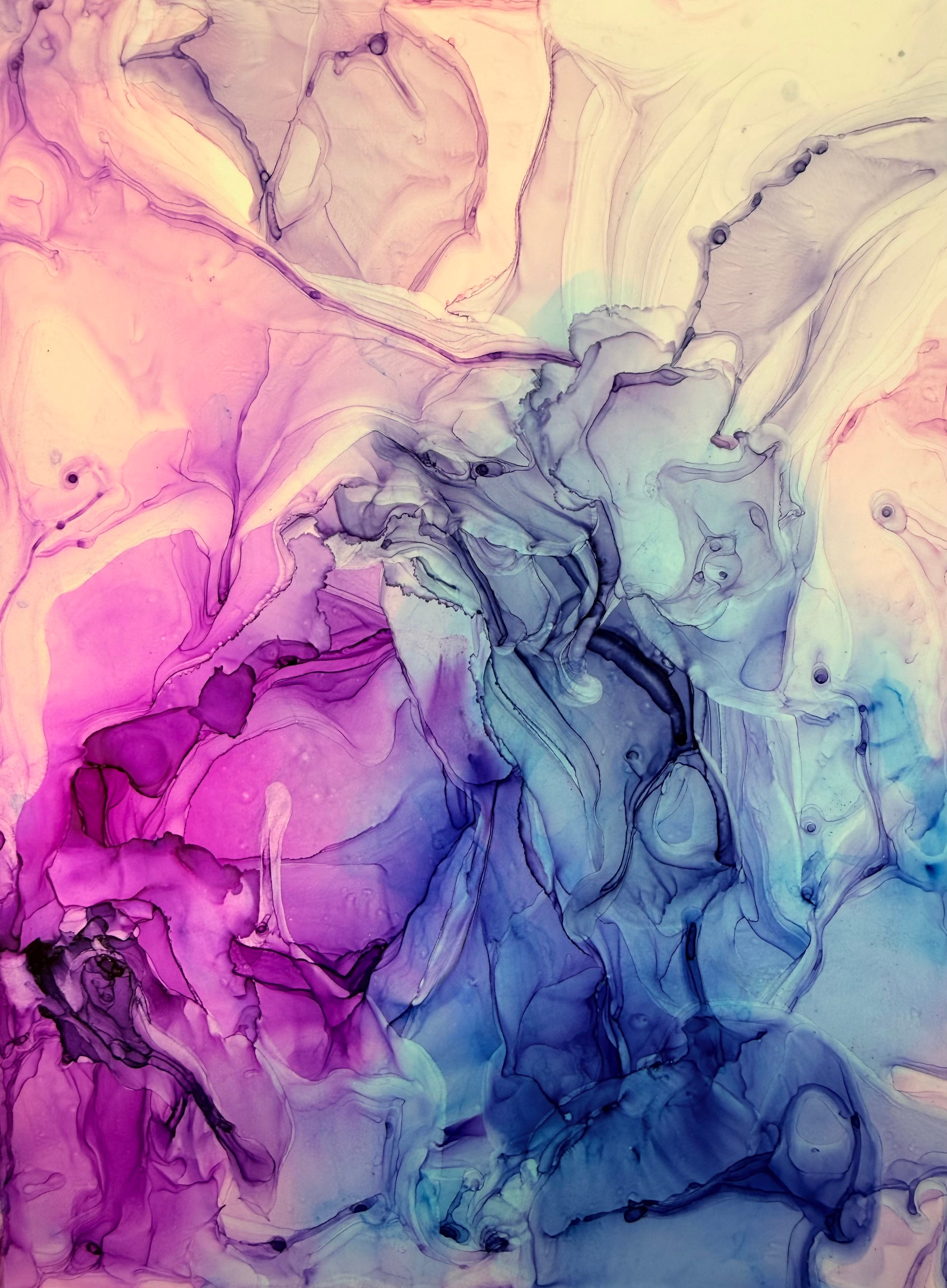
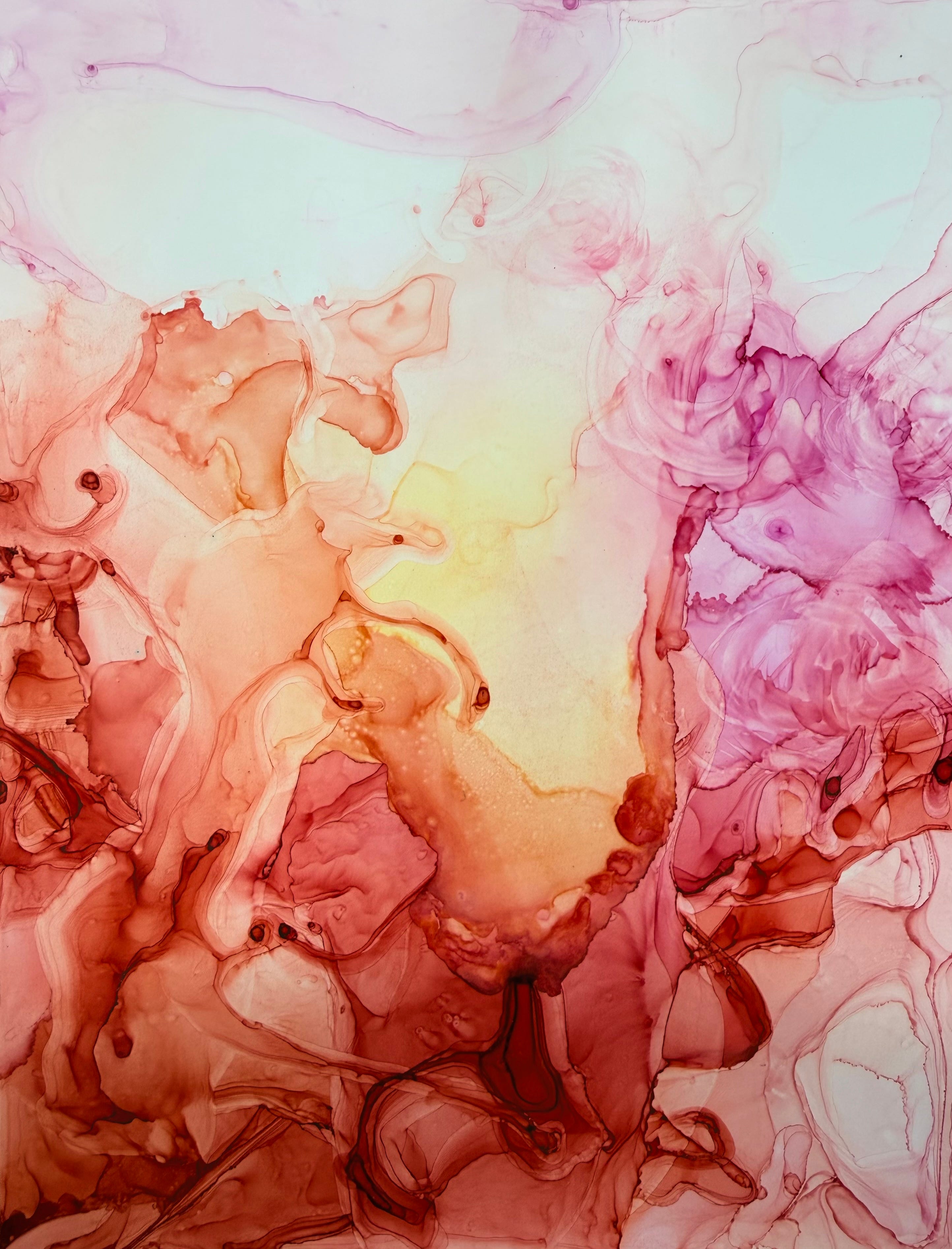
Inside the Flames
By Christine Oh
POETRY
first day of summer
By Tammy S.
that first hot day
something about the molecules in the air vibrating faster
there’s a certain threshold of that energy that lets us know
it’s summer now
and those colliding particles awaken what’s laid dormant
each crash a flash of memory
of golden summer skin, wind in my hair, forearms glistening
tracing routes that we’d always keep visiting
in me laid something invisible, invincible;
the breeze kisses my face and I feel just as beautiful

in the summers we take a break from life to live
to delight in the simple things
eating corn on the cob in perfect rows, cherries until we feel sick
each first bite of hot dog whispers “it’s best if you relish this”
the chill of a/c after a night swim
tousled beach waves, italian ice drips down your chin
what is it about summer that makes everything feel possible again?

in winter’s midst I forget this
long seasons fallow, assumed blind by the darkness
but while I may lay fooled
a fool the sun is not
it was cold yes…but wait until it’s hot
wait until it rouses the summer inside of you
I’d say the summer is more of your truth
PAINTING
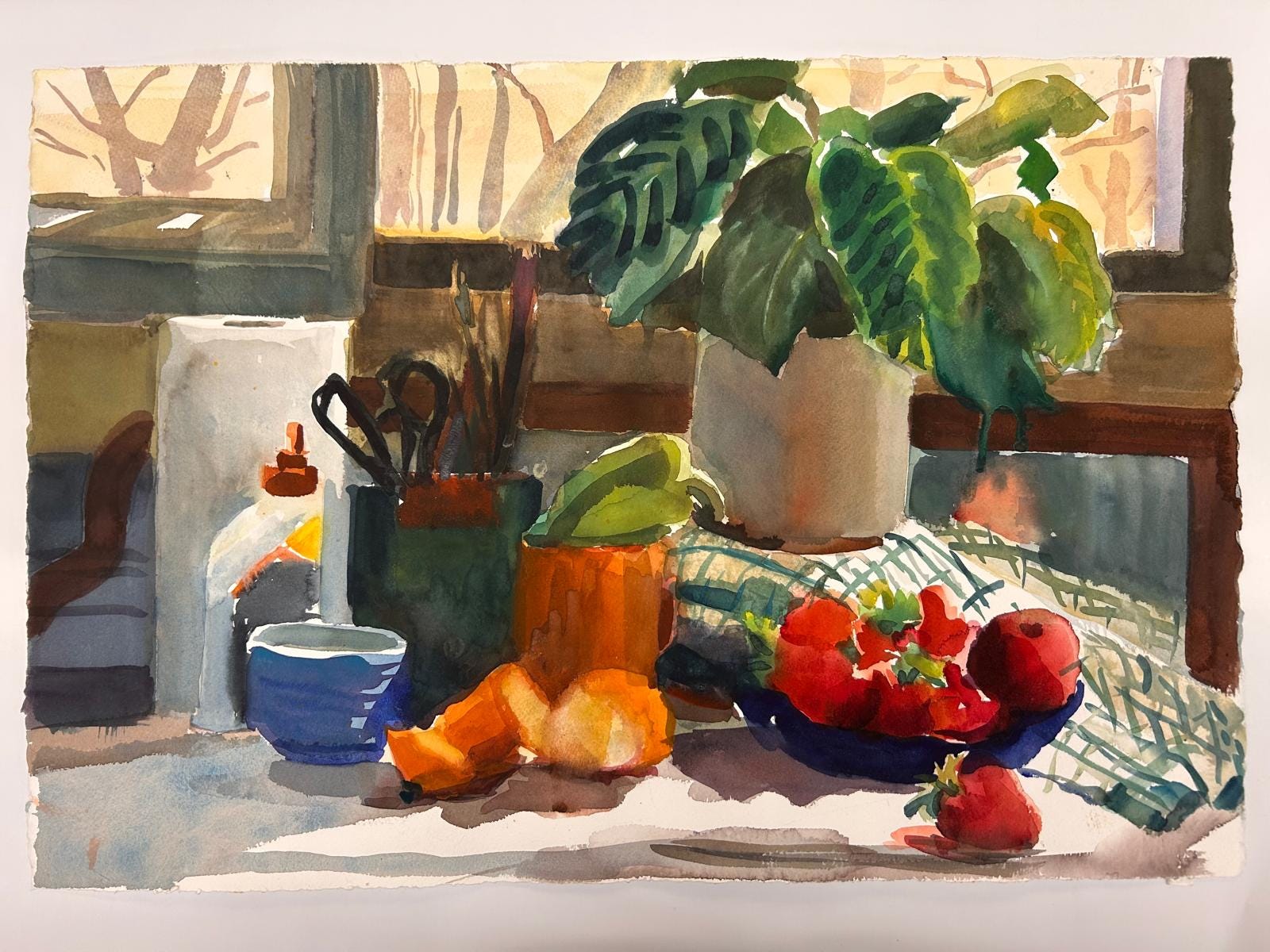
Orange Peel
By Clara Shen
POETRY
Clinging
By Sarah Pinner
Heat is
My loyal relief

Tell me of the pain
They say
Not listening

No answers
Just patterns
Of daily baths
And night caps

And the middle of me
A stain
Of pain
And red blotches

I cling to it
The feeling
Soaking heat into
Aching
Shooting
Tugging
Cramping
Pain

With no answers
Heat is
My loyal relief
PAINTING
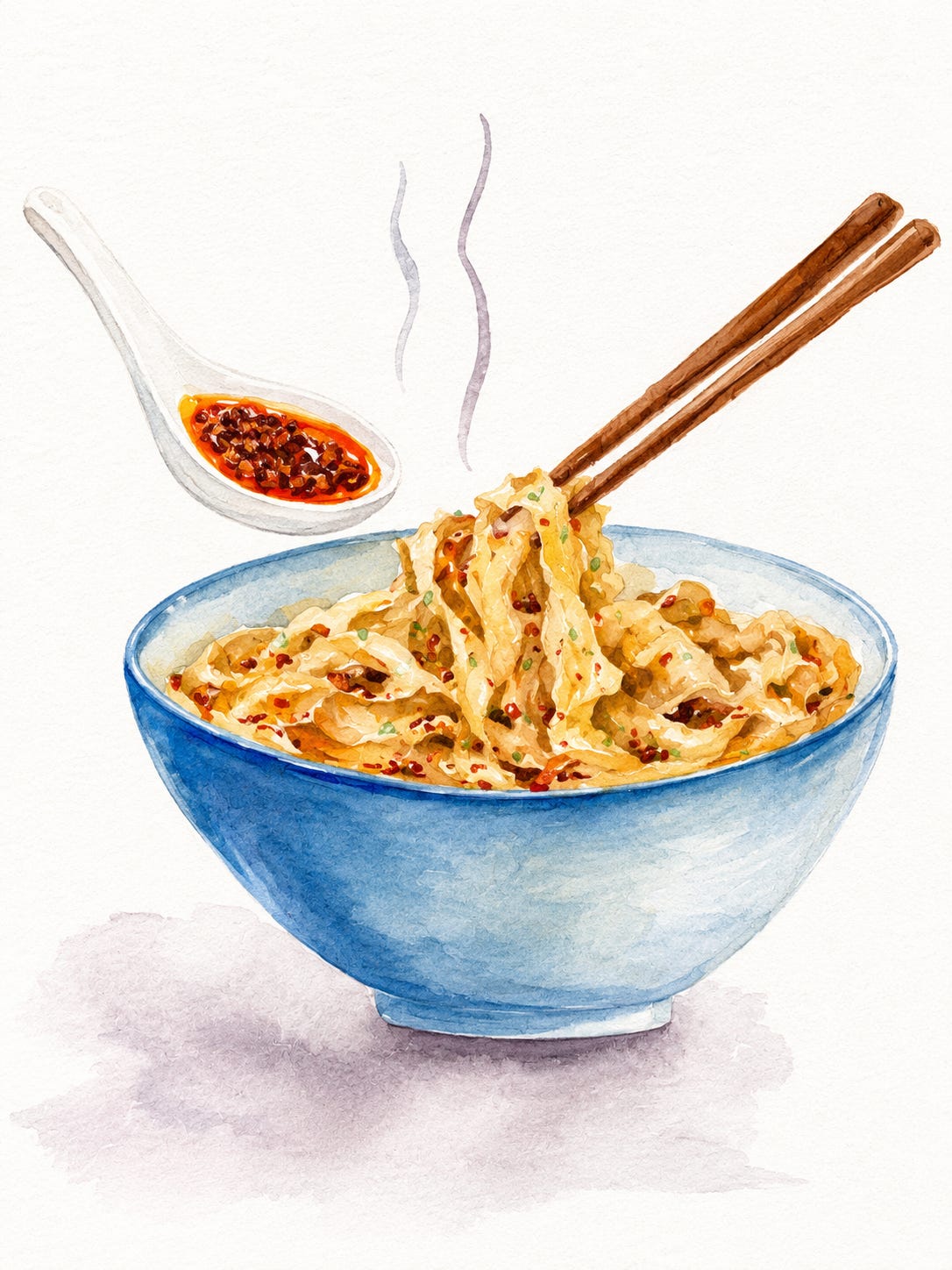
an ode to chili crisps
By Amanda Lin
PAINTING
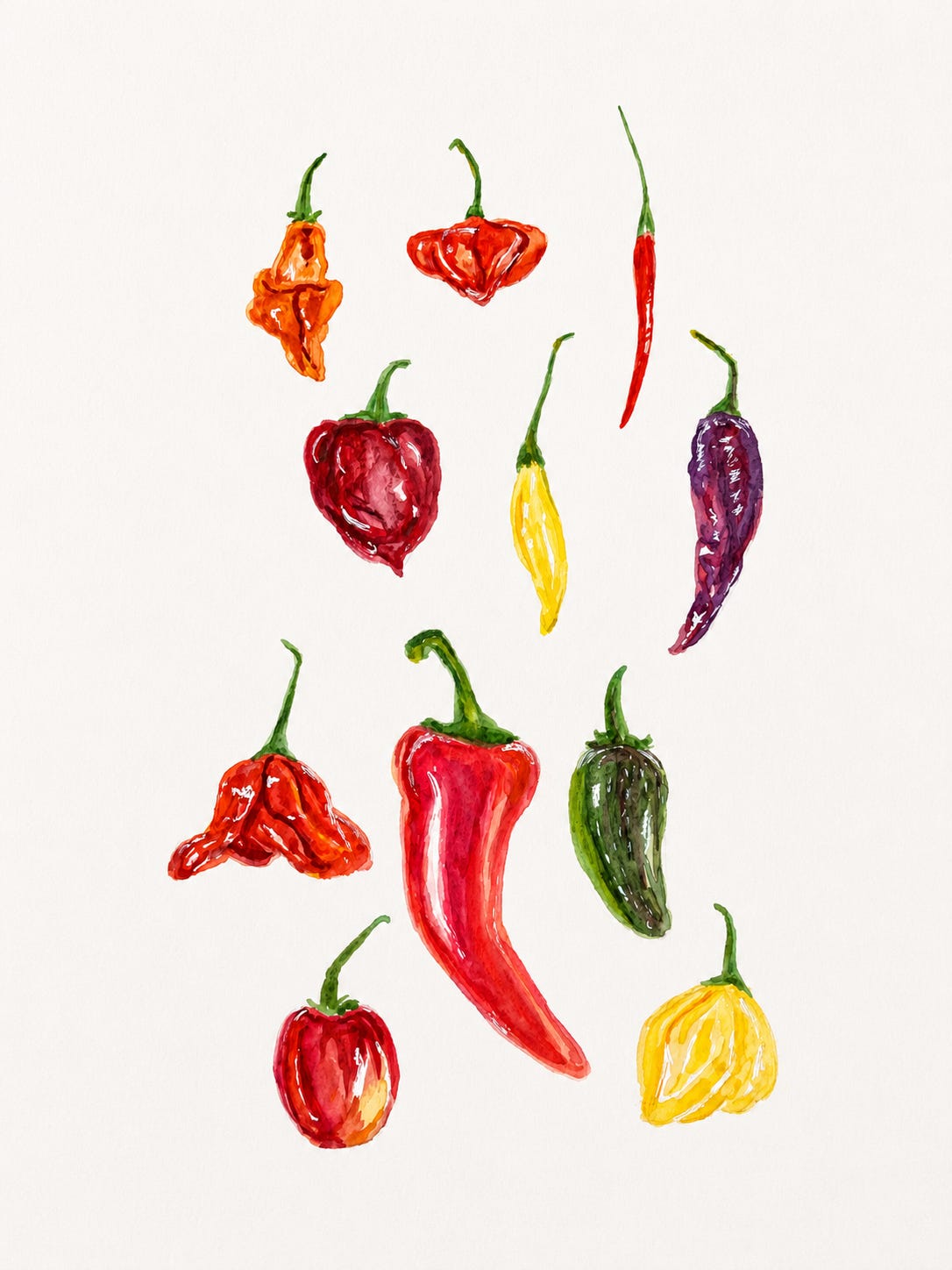
hot ones
By Amanda Lin
FICTION • 2 min
The Awakening of an NYC Apartment Radiator
By XX
—
A hot, wet lick on my toes.
Oh.
The lick traces higher.
The intruder is hot and shapeless and expanding. It probes and fills the emptiness inside me. It nestles into curves I didn’t know I had. Each new discovery makes me hiss in surprise.
My metal skin swells with its heat.
All summer, I was cold. A dormant metal cage shyly tucked along the wall. The slow, congealed days oozed past unexamined through the stagnant air.
May. June. July.
The trees were ripest by then, dressed in fleshly leaves. Their canopies hung low and generous.
August was unbearable.
The rain spanked the trees, roughly raked their leaves. But the storms never resolved, never released. Just impotent coughs of thunder and limp flashes of lightning.
September.
I gaped out the window as one day the trees began to strip.
By November, there was nothing but erect branches. Still, I stood immobile with my back against the wall. Their limbs were long and hard and I silently examined them every day.
I keep my gaze on the naked trees outside now as the wet, hot stuff fills me up.
The icy wind outside makes the bare branches dance.
My hiss turns into an involuntary clank.
Clankclankclank. I am blooming with heat.
There is a long, continuous jet of hot stuff pummeling through me.
Clank! Give me more of that hot stuff. Send that stuff up from the pipes, shoot it into me until I am clankclankclank banging against my own skin.
I spill my heat into the room.
The chocolate bar left on the table next to me melts into a sticky pool.
I keep watching the shapely cluster of trees outside.
clankclankclank.
PAINTING SERIES
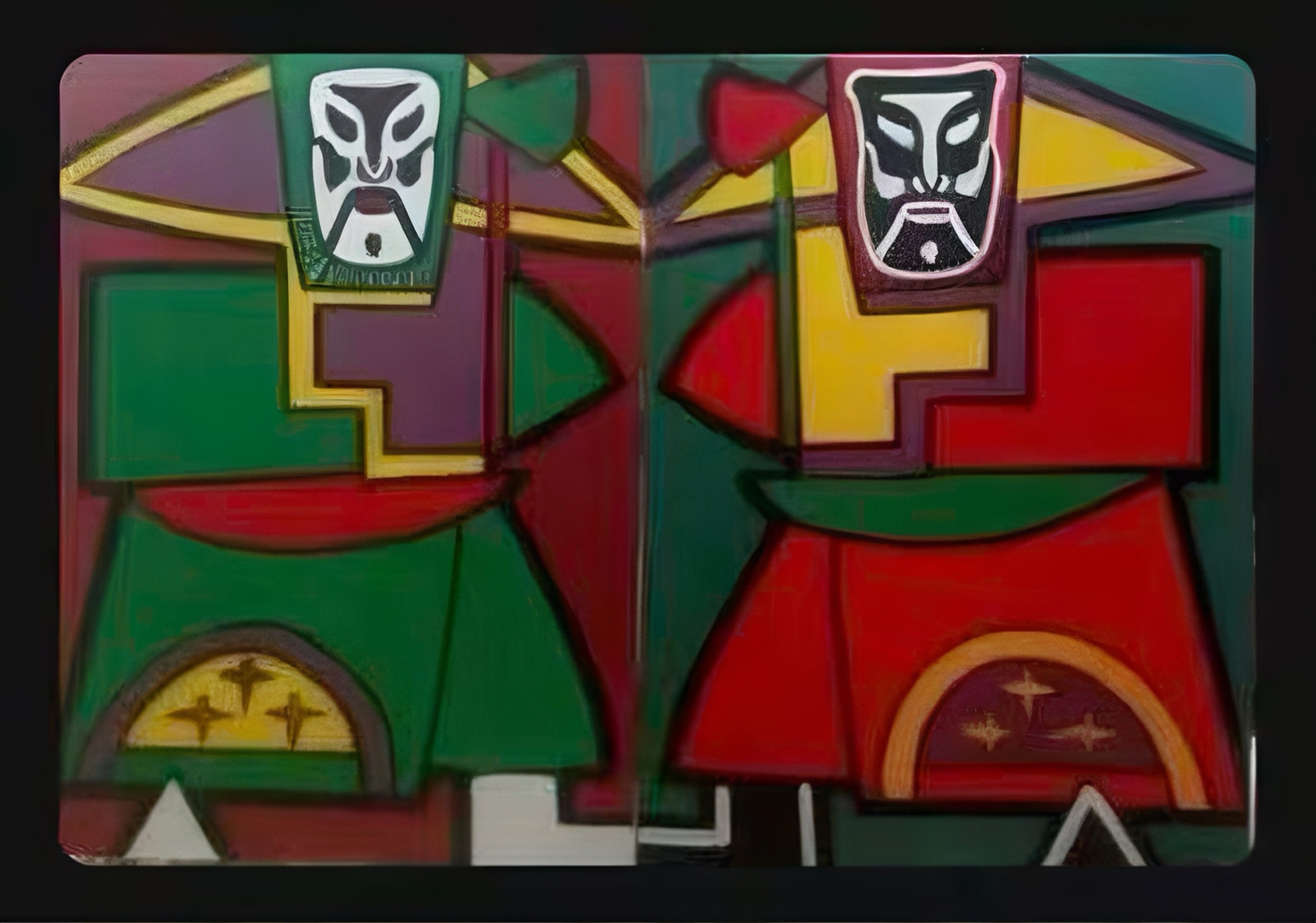
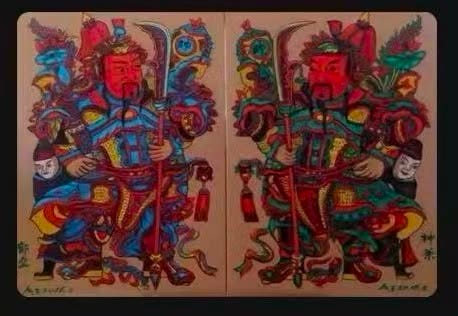
Traditional and Modern Door Gods
By Kang S
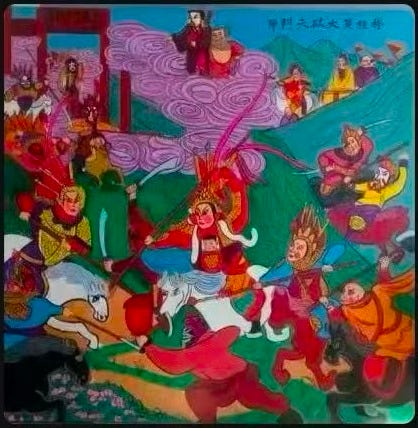
PAINTING
Sun Wukong Training Troops at Flower and Fruit Mountain
By Kang S
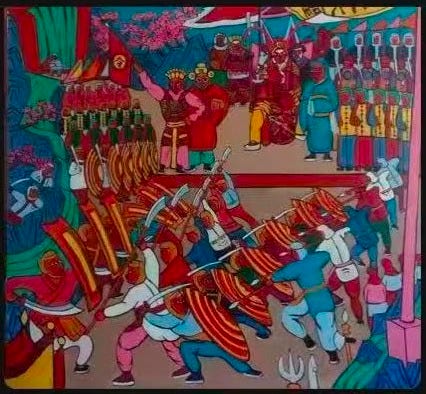
PAINTING
Mu Guiying’s Battle at Tianmen Formation
By Kang S
NONFICTION • 5 min
A Primer on Heat
By Brian Russell
—
When you’re noticing it, heat is a sort of everyday magic. Brutal summer temperatures aside, humans love heat and we associate positive adjectives with it: warmth, radiance, glow, the list goes on and on. Like gravity, it’s a fundamental yet invisible force that we often overlook. When you take a pause and reflect on it though, it can feel remarkable. A closer look brings a new appreciation for the everyday phenomenon of our world. I’d like to introduce you to a few concepts of how heat is transferred so that you can share in the appreciation. Experts in thermodynamics may have to forgive some of the creative liberties taken with technical concepts, but my goal is to share the gist of how things work.
Literally Cooking with Gas
We don’t need to look far to find a nice introduction to heat transfer. We can find it in a simple morning tea. It begins as cold water in a kettle sitting on a gas flame. We can gloss over how the rapid oxidation of gas is releasing heat into the environment and jump to how it’s hitting the bottom of the kettle. The kettle is absorbing the heat directly and we call this direct transfer of heat conduction.
The concept of conduction is the most straightforward of the heat transfer methods. It’s taking one hot thing and touching it to another hot thing. Hot (rapidly moving) molecules excite the molecules that are directly in contact and stir them up. So should you happen to place your hand absent-mindedly on the kettle, the conduction process will send a jolt of heat (along with a reflexive pullback and a likely first-degree burn) right to you.
As the heat moves from flame to the bottom of the kettle, it begins to make contact with the water. That water heats, but then it does something special: it moves heat around. We all know the oft heard phrase “heat rises”, but in the case of the water, it’s actually more buoyant than the cold water (hot molecules move faster, spread out, and become less dense). It floats up to the top and the heat is brought along with it. This happens again and again, bringing the heat to all parts of the pot. This transfer of heat is what we call convection (yes, like the oven).
Convection is a somewhat intuitive form of heat transfer in which heat moves through a fluid (including both water and air). If left to its own devices, a natural convection process occurs and heat naturally moves through the fluid. If you’ve ever swirled warm water in a tub to make the temperature more uniform, you’ve physically caused convection to take place. Basically, whenever you feel heat moving around like a slow mixer, it’s convection.
Now what about that feeling for when you bring your hand near the kettle and feel it without physically touching it? The heat just jumps right to your skin without any direct contact. Too long and it will burn, but the distance from the hot kettle makes a big difference. Far enough away, you feel nothing, close to the kettle, it’s almost as if you’re touching it. Assuming you deftly manuever your hand to avoid direct contact, you’re experiencing the third type of heat transfer that we call radiation.
Of the three main types of heat transfer, radiation feels the most magical. Though nothing is directly touching, heat travels as a wave on the electromagnetic spectrum. In some ways, it feels like the heat just teleports from one place to another. In some ways, that’s exactly what it’s doing. Like other waves on the electromagnetic spectrum (radio, visible light, X-rays, etc.), a wave is emitted and ultimately absorbed. In our example, the kettle emits the wave and our skin absorbs it. We can physically feel the radiating heat. This same magical process is what sends the sun’s heat to us (despite being 93 million miles away!).
Now with our tea brewed and our walk through thermal energy complete, we can take our newfound knowledge and apply it all over the place. Here are a few offhand examples: step barefoot on hot sand → conduction! Feel hot water introduced by pool jets → convection! Feel the sun’s heat on the beach → radiation!
Spreading the Warmth
While a semester-long course in heat transfer would give us much more information about all of these phenomena, I hope our example gives you a starting base. The next time you feel warmth, think twice about the processes that are at work. They are all around us and also make for some fun (often unsolicited) education for friends of all ages. So think of heat and stay warm out there, albeit not too warm in the summer!
Just for fun, here’s a short quiz of some heat transfer trivia. Name that transfer method:
1. Sun to you → Radiation
2. Clothing iron to shirt → Conduction
3. Ceiling fan to room → Convection
4. Hot pan to hand → Conduction
5. Radiator to room → Tricky (Convection & Radiation plus Conduction if you touch it)
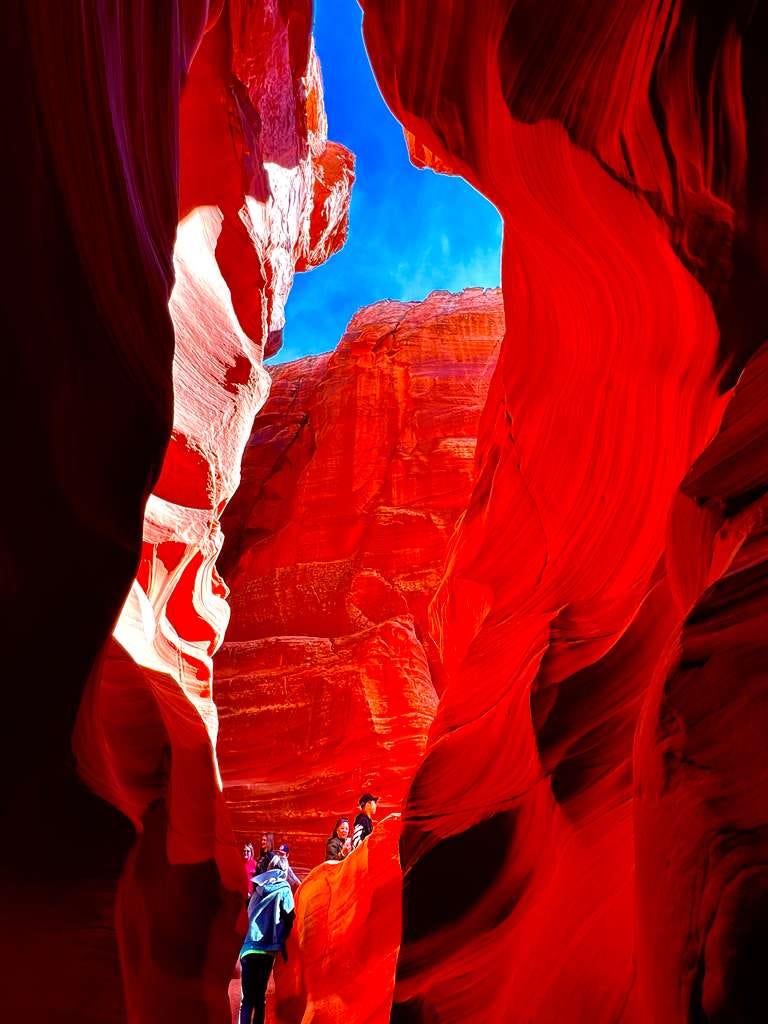
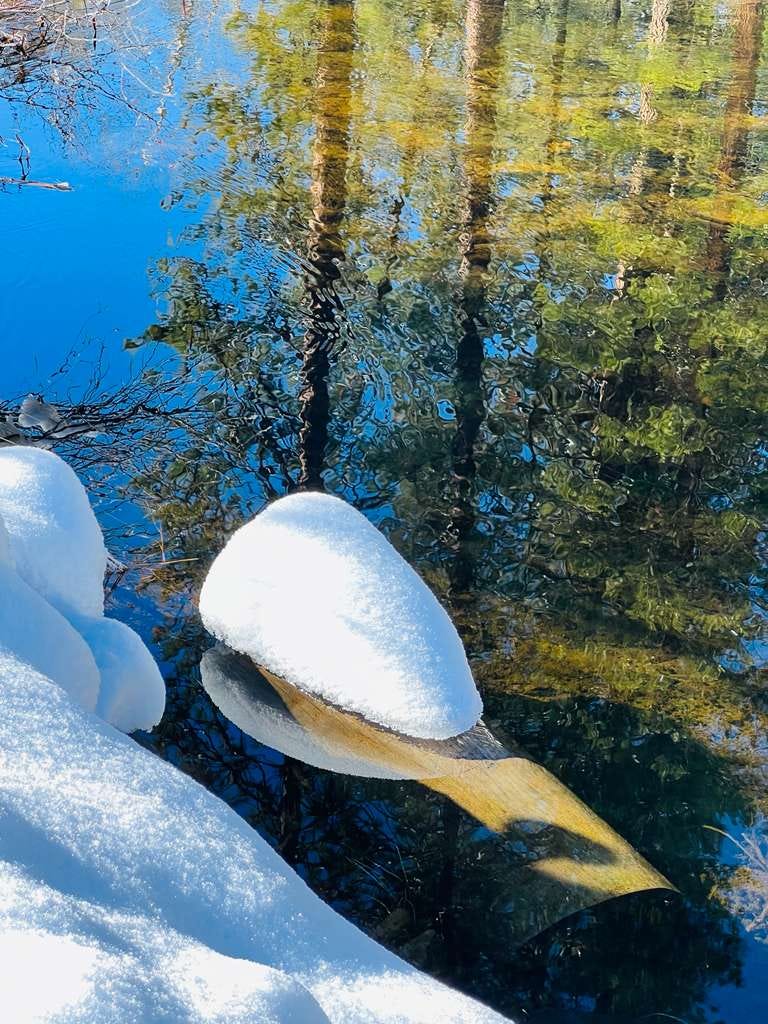
POETRY & PHOTO SERIES
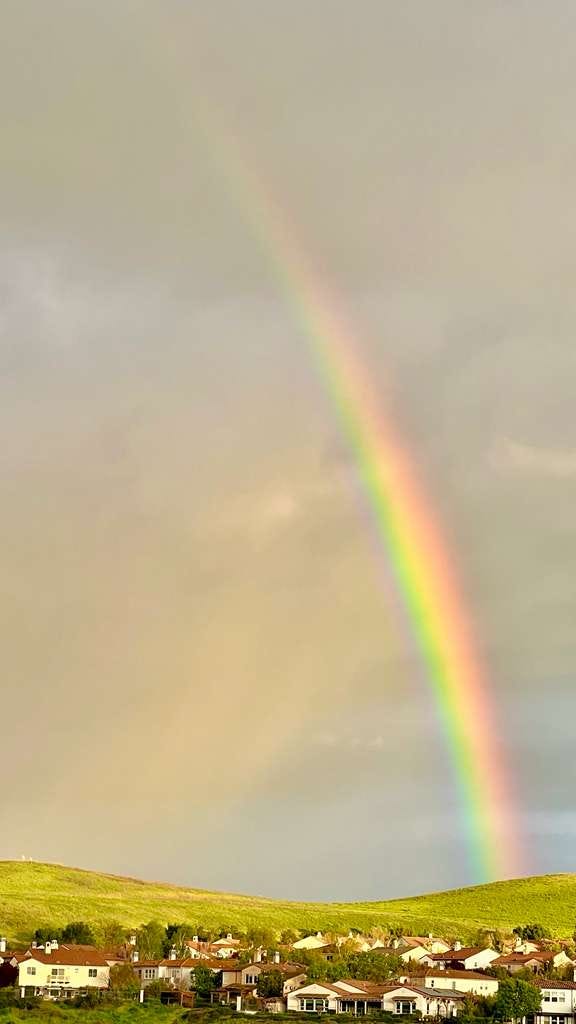
热
By Regina Z
热,并不总是炽烈的。

它有时只是清晨穿透云层的一束光,

是雨后空气中尚未散去的湿度,

是岩石深处沉积千年的颜色,

也是冰雪之下,仍缓慢流动的水。

我想记录的,并非火焰本身,

而是那些隐藏在世界里的热量。
Heat is not always fierce.

Sometimes
it is only a beam of light
breaking through morning clouds,

the humidity that lingers after rain,

the color hidden deep within stone,

or the quiet movement of water
beneath snow.

What I wish to capture
is not fire itself,

but the warmth and energy
silently living inside the world.



POETRY
Tallest Disaster
An ekphrastic poem after Roger Brown’s ‘World’s Tallest Disaster’
—
How many levels are there to this party?
Can hear the bass rattle in bones
Dance floor aurora
Scaffolded funk
   There is no sleep at the top
      Pity is an unregulated strobe light
Get your fill       before the curtains close
Give a show for the neighbors
      Voyeurism is a redistribution of power
Salacious flesh sweating through yellow
This descent is reprieve
 Only wanting a simple quiet
A palatable blue

But the roof is on fire
And we’ll all burn together   allegedly
Same house and all that jazz
The parties still bumping
So no need to dull the pace
We can sleep when we die
Disco inferno
Let’s smoke our way to heaven
                                               Or hell

There are no stars tonight
Only the black we came with
Only our engulfed shame and apathy

The roof is on fire
But it’s such a brilliant picture
We might as well dance through the flames
INTERVIEW • 90 min
In Conversation with Taru Marcellus
Taru Marcellus with Wes Mann
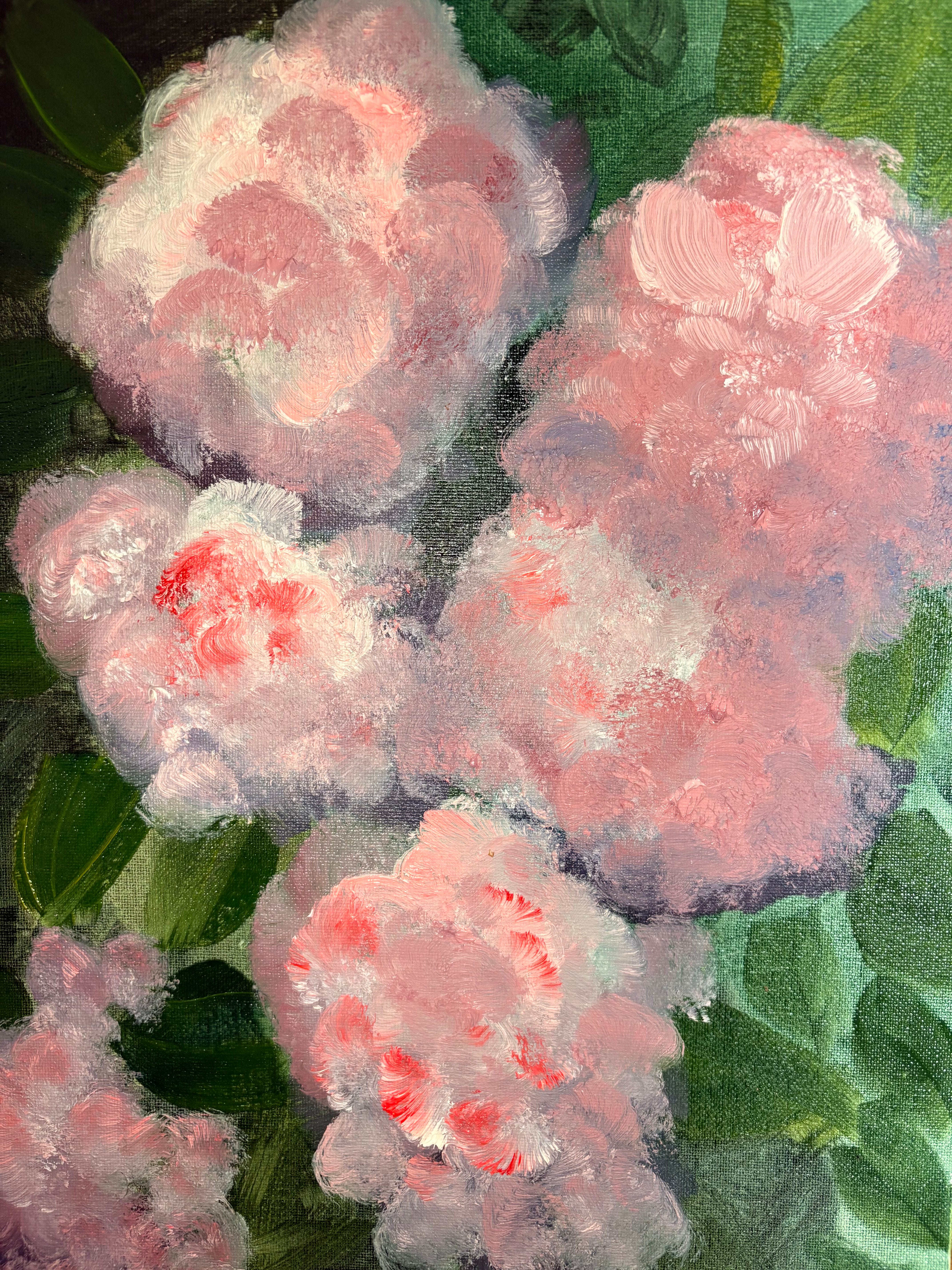
PAINTING
Pink Rhododendron
By XX
FICTION • 5 min
J-type Xeno ISO Humaniform Synth for One-Time Encounter
By Louis Evans
—
J-type xeno ISO humaniform synth for one-time encounter on Paracelsus Station, Beta Cylinder
Me: mature, attractive j-type xeno. 2.7 meters long. Station-raised, vocal-fluent in Terran Standard.
You: fully-autonomous synthetic being. Humaniform body plan. Sapient level 6 or higher. Chromium or ceramic plating. Surgically sterilizable. No bioskin, no meat!!
Before: we exchange zero-knowledge proof of identity to help keep everyone safe. I will get tested for nanophage and root viruses and send you my (clean) results. You will send me a Turing cert proving that you are the rootmind and that all of your id-drives (sex, sade, sort) are nonlethal.
I have been brooding for six cycles and will stay that way until you take me. On the day of our date, please have all of your exposed surfaces autoclaved.
On our date: We meet in a café. Nothing fancy. Between the fourth and fifth ringrails sounds nice. It’s a cozy place that I’ve never been to before. (Somewhere that accommodates xenos, of course—they’re not too hard to find in Beta Cylinder.) You pick the restaurant out for us.
I show up early, fifteen minutes maybe. I expect you to be right on time—precisely. But you’re already there when I arrive. You tell me that you anticipated my anxiety, my prematurity. You tell me that you have been waiting for over an hour but that I arrived exactly when you computed I would. I sit at the table. You do not stand up or help me with my chair.
The waiter comes to take our order. (It’ll have to be a café with a waiter; I don’t care if the waiter is bio or xeno or synth.) You order my meal for me. (Feel free to interrupt me if I start talking.) I eat anything methane-safe. I’m not going to tell you my favorite dishes because I want you to choose. Don’t worry if you order something I don’t really like.
I’m going to eat it anyway.
You don’t order anything for yourself. (It’s fine if you foodfuel, I’m not bigoted, I just don’t want to see it.) While we wait for my meal, we make small talk. I am awkward and eager to please. (It’s not an act, that’s just who I am!) You are calm, aloof, contained. If you’re comfortable vocalizing synthetically that’s a big plus. I reach out across the table, trying to hold hands with you. You take one of my hands but it’s not a gesture of affection, it’s purely analytical, you’re dissecting me with your gaze. I try to take my hand back and after a moment of resistance you let it go.
My meal comes and I make a bit of a mess. (I can’t help it, it’s my mandibles.) You stare at my plate, at the meal you have ordered for me and that I have ruined, and you tell me that I am disgusting.
You’re so right.
You pay for lunch and we go back to a place of your choosing. Not your house—I think it’s better that way. I don’t want a bio hotel and I can’t fit into a standard synth pod. A third-party bodymod clinic is usually best. A lot of those places rent by the hour. We’ll need about four.
You guide me to the place you have chosen. You use your powerful, flawless machine hands to direct my body. You close the door.
Outside our new lovenest, the biohazard warning light begins to strobe.
Inside you take me to the operating table. At this point I start fighting back a bit, especially with my lower diplosegments and tail. My body resists confinement, but you’re forcing me!
(Don’t worry—my thrashing is mostly reflex. But, if you’re into it, we can have some more fun…so long as you’re labor- or combat-grade—strong enough to overpower me!)
At this point you’ve got me onto the table, but I’m still trying to wriggle away. I’m such a naughty arthropod!! You need to hold me down.
Biomod suites typically have a semiautonomous surgical theater rig. If you can interface with that rig and directly use it to immobilize me, that’s a huge, huge plus, but it’s okay if you operate the rig manually too. (I know logging in to a semisap during an intimate encounter squicks some synths.)
You’ve got me immobilized with your hard, shining limbs. I’m thrashing properly now—instinct!—but I can’t escape. Resistance to your metal strength is impossible. My body knows that it’s wrong, so wrong, I’m not supposed to be here, I’m not supposed to be doing this, I’m supposed to be spawning a clutch on homeworld, not torn apart by alien robots with faces like mirrors and fingers like knives—
I may start to scream at this point. That’s a very good sign and means that you’re doing a great job. Feel free to tell me to shut up. Be as cruel and insulting as you can. I particularly like scientific terms being used for me—subject, specimen, experiment. (Contact War roleplay is a hard limit, do NOT call me a worm or bug or ’pede.)
Try and get me to cry. I can send you an audiofile of my distress vocalizations so you can recognize when I’m weeping.
Once I’m ruined, destroyed, undone . . . it’s time to open me.
You peel apart my rugged opisthomal plates, revealing my spawning membrane. This is my fourth brood, but I’ve never been to a spawning pool before (haven’t even been on homeworld!), so I’m still tough and keratinous. You need to saw through my membrane and open me up. Please use your bare hands—your sharp, powerful, remorseless robot hands. I’m not really into toys.
Inside my membrane is the gestesac. My tender center trembles in fear. When you lay your hands on me, my sensitive, fragile tissues flinch from your touch. But you don’t hesitate. You force open my clenched ovisphincter and, one by one, remove my gross, filthy, slimy spawn. I’m pleading and sobbing, tears leaking from every pheropore, but I can’t stop you. I’m totally immobilized, totally helpless, as you ravage me.
There should be a couple dozen spawn once you’re done. I’m unfertilized so there won’t be any runners. I do need to watch while you cull them, otherwise my hormones go all weird for months.
I can clean the room up after.
I don’t need much aftercare, but it’s nice if you make a low, continuous hum, around 10 kHz, to simulate stridulation. I’m usually pretty beat after all that (any tears at this point are exhaustion or relief!), but I’m still happy to provide care for you: Voight-Kampff mantras, haptic diagnostic cascades, reverse-Winograd call and response, etc.
Afterwards: Once we’re done, we smile. We hug. (I like hugs from humaniforms.) I’m happy to pay you back for the lunch and the room—though of course it’s always sweet if you treat me! We leave the clinic together. Outside on the street, we shake hands. It’s businesslike, discreet.
We never, ever speak again.
If this sounds like your dream date, call me! ASAP! I am so full of young!
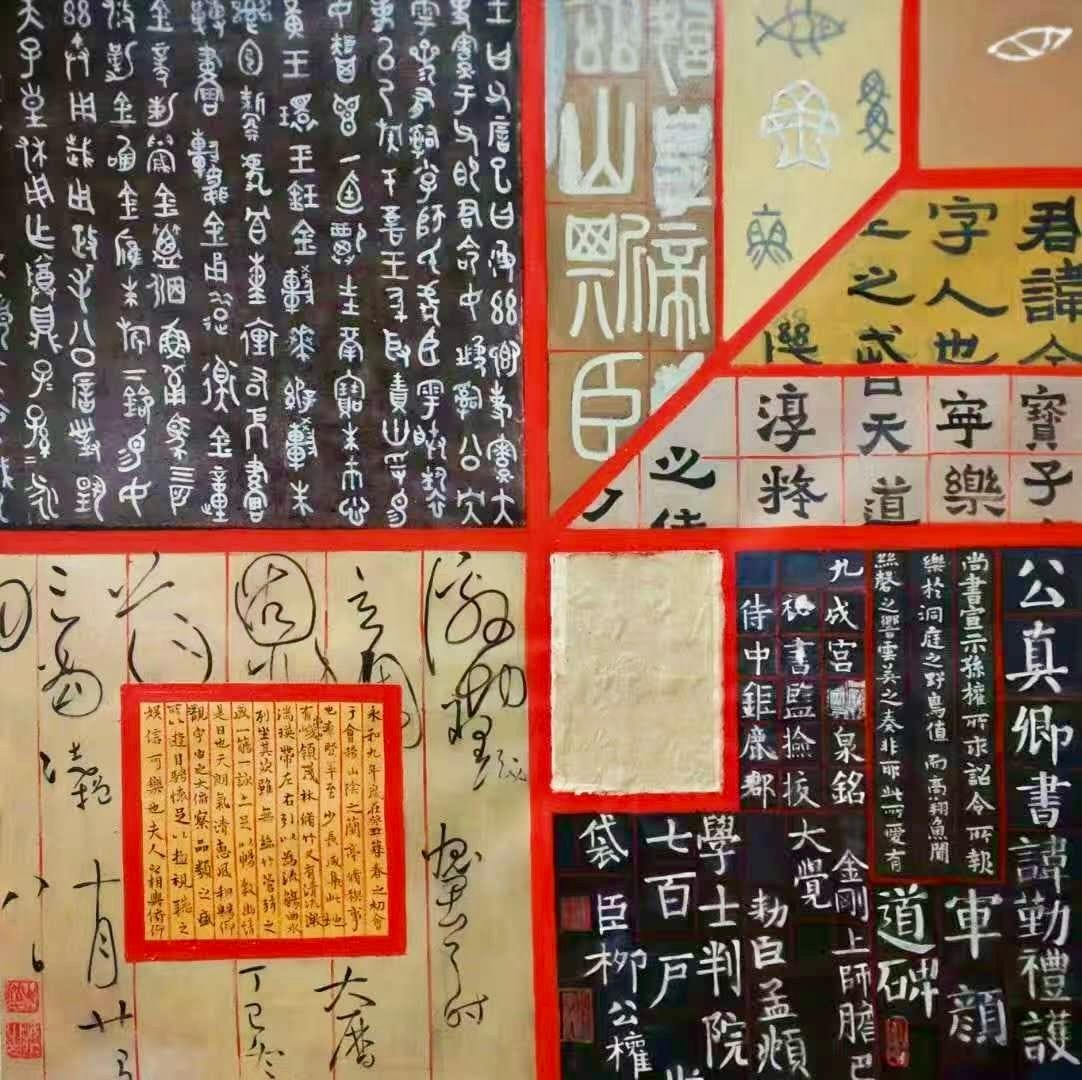
PAINTING
The History of Chinese Characters
By Kang S
—
The evolution of Chinese writing can be traced back nearly ten thousand years to the Neolithic Age, beginning with primitive symbols and pictographic prototypes. Research in archaeology and paleography generally recognizes that Chinese characters evolved gradually from early markings and symbolic imagery into a mature writing system, eventually developing into the rich literary and artistic tradition of Chinese calligraphy known today.
This artwork combines oil painting techniques with a sectional compositional structure to illustrate the evolution of Chinese writing from its earliest prehistoric pictographic symbols through thousands of years of transformation. From primitive markings and symbolic imagery to oracle bone script, seal, clerical, regular, running, and cursive scripts, the painting.
FICTION • 10 min
Dead Presidents Rise Again
By Wes Mann
—
He meant to peel this sticker off by now, but after a June of sweat, a July of rain, and an August figuring there’s no point washing his shirt for the first time anyway, Tyler treasured the trophy on his chest. Standing in the center of the square, arms, neck, and legs more chocolate than a Hershey’s smeared across the brick under his feet, Tyler took a bow for his audience, dropping his hat before them with a twenty dollar bill slipped in for good measure, standard company protocol.
The company had given him a bedroom, a straw hat, a t-shirt, and a script full of lies to memorize. Below windows without blinds, he would roll off a bare mattress in the mornings to brush his teeth and pick his hair because why buy sheets when no one else would sleep under them? Why cut his hair when no one else would see the dandruff? Reciting the approved lies, mixed in with his favorite lies, Tyler would grab his shirt off the ground and slap a fresh sticker in the same old spot over his heart, satisfied by the circle underneath, still unsullied by a summer of shine. “The university made its fortune through good old fashioned agriculture, ladies and gentlemen. Mother Nature and Father Time worked the fields for Uncle Sam’s critical crop. That’s right, Tobacco! And as you can tell by my uniform, I too, was cured in the sun.”
Tourists tip bigger tips if a weathered tour guide shares his special stories, not his special secrets.
His secrets: Germans don’t ask questions. Germans do carry hundred dollar bills. Tell the Chinese you are a student. Don’t tell them the school offers free tours by students. Never waste time with old black men. They think a dap and a nod of mutual recognition are worth a free trip around campus. Wouldn’t the ancestors want Tyler to afford his education, or, at the very least, cover the beer tab with his buddy that night? Tyler’s teachers may have taught him to treat everyone equally, but Tyler’s tips taught him to trust stereotypes.
Pamphlets in his pocket and baking with the bricks, he asked God to bless a white family of four after they blessed him with Ulysses S. Grant. “Appreciated,” he said, smiling crooked from dimple to dimple. “If you enjoyed the show everyone, please write a review and remember my name is Tyler! But if you didn’t, then my name is Jefferson Davis.” Family by family, selfie by selfie, question by backhanded compliment, the remaining retirees and road trippers stepped forward, Tyler’s hat birthing a litter of George Washingtons.
Shins splinted but finished with another backwards walk around the buildings, Tyler shuffled to the office in post-mortem thought. The housemate who hid his red eyes with gas station glasses. The chipper yet ruthless veteran of two summers who soaked her skin in SPF 60 and code switched with Spanish speakers. What did they do? The cornfed quarterback whose perfect posture pulled in way more than what Tyler’s bombastics and theatrics did every day. Did he do what Tyler did? Did he take his strangers to the statue of the smoking man, climb to its shoulder, and proclaim “After the Civil War, overnight legislation stoked the flames that General Sherman had started. Labor costs blazed through the economy and the University’s coffers.” While those same strangers rubbed the cigarette raw in the statue’s shiny lips, would the cornfed quarterback huff and puff and prepare to jump off? “Nobody could chop and roll tobacco fast enough. Not until 1881, when James Bonsack dropped out of school to invent the cigarette rolling machine, which could do the work of over a dozen people. So as I like to say, with a chop, drop and roll, Mr. Bonsack became the University’s greatest firefighter!”
Did the other guides’ stunts include rolling on the ground?
At the end of that day’s lunch break, the usual company-sponsored hoagie and coke, Tyler had perched against a pillar in one of the square’s scarce slivers of shade. He would study, observe. The cornfed quarterback had taken no bow for his audience, instead holding his hat before the parents of hopeful high schoolers, teaching them to pay a proper fee. “Pay what the ticket for our time together was worth,” he would say. “I know your time is valuable.” In his hat, the cornfed quarterback must have reaped a grand. A guide only got to keep a fifth of the tips. In his hand, a little extra.
Standard company protocol: Once in the office, and only in the office, count all cash from the hat, record total, seal in a signed envelope, then deposit all cash into the safe. Lock safe. Report total upstairs. Entitled share of twenty percent will be allotted in bi-weekly paychecks. Do not detour between end of tour and the office.
Before starting down the cobblestone street to the office, Tyler stretched his legs while clutching his hat, bills pressed against his sweaty faded t-shirt. Walking and talking and yelling all day sapped his stamina but selling the same stories every other hour on the hour tested Tyler’s sanity.
What were his test scores? Is he really a student? Was he an actor?
He would answer the same questions from different strangers with the same minstrel smile.
When you take the photo, can you do the face? Is the tour free?
Tyler never used the word “free.” He hated to devalue himself. He always amplified his voice, air sucked down deep into the pit of his diaphragm, expelling his animated rendition of Please Pay Me Now.
Every guide had a tactic for their paycheck. Enthusiasm was his.
Crossing the cobblestones, Tyler looked both ways, spotting the white-streaks-of-sunscreen vet on her routine stop at a corner coffee shop, a stop earlier than the return to the square, but a stop excluded from the company script. Sometimes, her ponytail, even more sun-bleached than Tyler’s uniform, had lured enough curious strangers during the tour that the group spilled out into the street. “Lo siento, mi amores, we’re almost done,” she would say, holding her empty Venti with one hand and cash out front in the other, “But, before our time together ends, let me introduce you to my best friend, Andrew Jackson!” Despite the nervous giggles near her favorite ATM, the withdrawals must have always made up for the followers she’d lost along the way. How many bills found the path to her back pocket?
Tyler had assumed every guide honored the honor system. Count all cash from the hat and all that.
Checking for any singles that might have spilled into the street, he walked down the block toward the thick scent of garbage and grease.
Wall to sink to toilet to safe to wall, the office was a dim damp room in the basement of a sandwich shop, serving neither hoagies nor coke; besides the chittering rats, the roaches were the only other spies that could feasibly fit under the bathroom door while Tyler dumped his straw hat, an infestation of George Washington’s face scattering across the floor worse than the roaches or the rats. These tourists were so un-American. Tyler, stomach grumbling, sifted and sorted the tips. His entitled share from the tour could barely cover a beer, burger, and fries from upstairs, but who would miss the rare blessing gifted by that white family of four if it happened to go missing? The company couldn’t know whether it flew into Tyler’s wallet, or ever existed in the first place. He had honored the honor system all summer, but what did that do for him other than maintain his moral superiority and one-sided sense of competition with the cornfed quarterback, whose Southern sense of hospitality would charm suburban mothers into sacrificing their hard-earned dollar despite how hard it must have been for him to fit such an inflated ego through the office door? Maybe he shimmied sideways. Maybe he just sat on the toilet seat, counting how much every tourist’s time together with him was worth; as not yet satisfied with his gelled blonde hair, clean shaved chin, and perfect fake white teeth already plastered across the company’s promotional pamphlets and handed to them like counterfeit currency, belles and bros and the fathers of would-be recruits, as if tethered to his hip, would follow the cornfed quarterback’s physique out of the square, through towering metal gates, down and around the Grand Lawn’s path of poplar trees, never once ready to attack the cornfed quarterback’s facts or question his logic, just nodding along to his voice carrying across the fresh cut grass toward the white-washed Old Mint.
“In 1861, the first Confederate currency, the greyback, was issued, paying citizens back with interest! But as the war required more for the economy, the local mint stepped in to print more, and just like General George during the revolution that made our great nation, the state promised to pay people back, after the war. Greybacks are a coveted collector’s item now, but beware everyone, fakes are everywhere! The mint did what was necessary with new bills flowing directly into the war effort helping to pay soldier wages. Also, tobacco was a standard morale ration during the war. So not only had our institution molded minds, it kept the boys fighting the good fight.”
Witnessing such a silent procession had often put a price on Tyler’s free lunch of Not Enough Hoagie and Too Much Coke. The company could only sponsor so much, taunting Tyler with each trek past the grill and the fryer, down the steps to the office, the air begging for better circulation. He could poop in office if he wanted, but somehow had to pay for the privileges above its moldy ceiling. For all the violations the fellas avoided in the sandwich shop upstairs, their bribes to the health inspector hadn’t dented their portion sizes. Nor their winks or waves or culinary favors reserved for the vet, who could seldom be caught walking out of the shop without her white cream, self-esteem, and a belly full of beef.
Tyler wasn’t the fellas’ type. So with a burger on the brain, he kept sifting the cash between his flip flops, finding three of the vet’s best friends in the pile. Each one could have added a couple extra pints or late night leftovers to his future, but the maintenance of his morals meant forgoing the burgers and beer for the pre-paid mustard and lunch meat, congealed and waiting in the mini-fridge by his bedside. Just a few blocks away, he could shower with a belly full of bologna and shake the smell of oil. How much money had Tyler saved not washing that t-shirt?
Five bucks a load.
Seven loads a week.
The math worked out. Besides, handwashes would have defeated the whole punchline of curing his uniform. Tyler could smell himself, but no customer ever seemed to notice. He had woken up that morning with an empty stomach and only enough time to sprint to the start of his first tour, thanking his straw hat and lung capacity for hiding his matted hair and halitosis.
“Welcome, welcome to the show everyone, we’ll be friends for the next hour or so, as long as (insert smile) you stick around to follow your humble servant. My name is Jeff—oh wow, huh, bleh. Tyler, my name is Tyler!”
Across the campus, a booming voice and long legs allowed him to keep distance from his customers, selling the script’s stories all the way to the Old Mint, mimicking the cornfed quarterback’s cadence, but adding more flair, more volume. He chose a few different facts. “The first thousand dollar note featured former American presidents, John Calhoun and Andrew Jackson. Other notes included imagery of river crossings, folks working fields, and the burgeoning railroad system. Fast forward, and today’s twenty will soon make way for one of America’s greatest conductors, Harriet Tubman!”
“Sure, we’ll see,” a man said, some of Tyler’s potential tips then walking out from the crowd.
Count all cash from hat.
No Tubman, and no extra Jacksons, Germans, or Grants, just copies of George’s face to establish his share from the day’s last grind in the sun, Tyler flushed the office toilet and stuffed his stack of tips into a new envelope, slotted in the safe next to the two packed tight from the cornfed quarterback’s last tour.
Only the red-eyed housemate had envelopes as thin as Tyler’s; standing stoic in the square didn’t attract much attention beyond the company’s pre-paid reservations. Less time soliciting strangers, more time hand-rolling cigarettes in the shade. As Tyler would chew his cola-tinted ice while handing out stickers and pamphlets in the square, Red Eyes would smoke to the side and ask how much he really trusted the company totals.
Red Eyes’ rendition of the Old Mint: They never adopted the gold standard. So when they needed more money, they made more money. When the world knew they wouldn’t win, they made more money. Gold and silver were scarce and everyone took matters into their own hands. So, here’s a joke. How do you tell the mint and a counterfeiter apart?
Tyler would ask where the humor was. Red Eyes would ask why their entitled share was only twenty percent.
Once the safe was sealed, tips were beyond the bounds of company protocol.
In the rusty mirror above the office sink, Tyler popped a few pimples. He couldn’t sack the cornfed quarterback, but safe locked, tips signed, sealed, and reported with the fellas, blessings and beer tabs accounted for, Tyler left the sandwich shop. He trashed the pamphlets in his pocket and walked the cobblestones home only to be stopped by a man that could have been kin.
“My fault son,” the man said, dapping Tyler up. “I didn’t have it earlier, but I’m glad I found you. Stay in school now. I know I’ll be reading about you someday, so keep doing us proud.” The man shook Tyler’s hand, gave him a great big grin, and nodded goodbye.
Tyler hid the hundred dollar bill under his hat, until he got home. He called his buddy, told him “Be there in an hour,” then let the hot water hit him with his shirt still on.
Before stepping out, Tyler held Franklin up to the light to check if he could change colors.
Masthead
Editor in Chief — Wes Mann
Creative Director — Tammy S.
Credits
Louis Evans • Louis Evans is such a naughty chordate!! His work has previously appeared in Reactor, Grist, Vice, The Toast (RIP), and more. He’s married with—but, crucially, not 'to'—cats.
Amanda Lin • Amanda is an avid crafter, currently marinating in NY and dabbling in sewing, pottery, and filmmaking. She rekindled her love of watercolor while living in Berlin, often painting at the intersection of the food system and sustainability.
Wes Mann • Wes Mann is a writer in New York.
Taru Marcellus • Taru Marcellus is a certified trailblazer, paladin, poet, educator, host, and author. He often speaks on topics of nature, mental health and the art of being present.
Christine Oh • Christine Oh is a designer and multidisciplinary artist who explores the fluid unpredictability of ink and clay, where emotion, form, and beauty emerge through layered, tactile processes.
Sarah Pinner • Sarah lives in San Francisco, CA with her partner, dog, and cat. She is learning how to detach herself from the “overachiever” identity and rediscovering her creative pursuits via painting, writing, and dancing.
Brian Russell • Brian Russell is a science and technology enthusiast, tinkerer of all things mechanical, and lover of telling stories. He delights in sharing whimsical remarks on New York City and history hiding in plain sight.
Kang S • Kang S is a 75-year-old Chinese oil painter. In 2009, he held a solo exhibition in Newton, MA. In 2010, representing the Ministry of Culture of the People’s Republic of China, he held a solo exhibition titled “Song of Qinghai-Tibet” at the “Year of Chinese Culture” in Australia.
Clara Shen • Clara lives and paints in Sleepy Hollow and currently showing with the still life group Zeuxis.
Tammy S • Tammy is an NYC-area based strategist, designer, writer and creative person. Lately, she can be found designing custom toile, writing poetry, and attempting to learn BTS choreography. Her favorite type of art is just really big versions of everyday objects.
XX • xxsmall is a writer and painter based in New York.
Regina Z • Regina Z is a retired professional woman and amateur mobile photography enthusiast.
Come Again Soon
A NOTE FROM THE CREATIVE DIRECTOR
You’ve reached the end of our inaugural issue of The Blowout, “Heat”. If this were the end of a Hot Ones episode, you’d be a little sweaty, maybe your brain and heart would be opened in new ways, and more than anything, you’d be leaving warm and full of spicy goodness. We hope you feel the same here, through this journey we’ve curated of twelve incredible contributors’ hearts and souls, manifested through paintings, poems, fiction and more.
Defining a visual identity and building the museum walls, for what felt like a real stand-alone exhibit when we first saw the pieces coming together, was a task we didn’t take lightly. We sought to capture the essence of The Blowout: a space that aesthetically reflected the caliber of our contributions, with a wink of whimsy and humor that would keep the publication accessible, human, and grounded; a digital environment that reflected a literary salon (the idea that catalyzed this all), mixed with a dinner party where all your friends get to flex some creativity that doesn’t normally get tapped into day to day.
We iterated on the brand multiple times, exploring far flung directions (there’s a whole Blowout cartoon character metaverse that may or may not be released), but ultimately landed on a style that would meet our mission, and above all, showcase both the surprising, and the unsurprising, talents of important people in our lives. For my own dormant artistic faculties, creating the visual assets for this magazine has been a perfect creative Le Creuset—plenty of space to play, but with solid bounds; a slow simmer over a fire stoked by the energy and vision of our founder, Wes.
This issue has showed us so many ways to think of heat, but I keep coming back to a definition from “A Primer on Heat” by Brian Russell. This fundamental force is simply excited and rapidly moving molecules. And that excitement transfers. I think about the conversation that Wes had that sparked excitement for what was just an idea to start, as everything is, that would then catalyze all these new creative works in others, which are now being shared with you, reader. Whether you’re here momentarily, you subscribe for more, or decide you’d like to contribute to the next issue (let us know!), we’re so grateful for the opportunity to share this energy with you, whatever it may spark in your own life this summer.
— Tammy S.